

TPS Families Ask How Long O Lord?
For nearly eight years, my family has lived with a question that has never really gone away: How long O Lord?
On January 8, 2018, the first Trump administration announced the termination of Temporary Protected Status (TPS) for El Salvador. At that point, my parents had lived legally in the United States for almost two decades, building a life, working in healthcare, paying taxes, raising their children, serving in their church, and becoming part of the communities around them. Although TPS was always “temporary,” after almost two decades of the status being extended across every administration, the future we had assumed was ours became uncertain overnight.
Since then, we have lived through years of grief, uncertainty and waiting. At times, that waiting has felt torturous. We have wrestled with how to plan anything well without knowing what the future holds, and how to enjoy any experience when it could be the last time life is ever the same as it was. We have spent countless hours meeting with different lawyers and getting several opinions.
Now, nearly eight years later, we are just days away from September 9, 2026, the date when El Salvador’s TPS is currently set to expire.
There is something uniquely heartbreaking about watching your parents dismantle a life they spent almost three decades building.
The things they worked so hard to afford, the things that they slowly added to our house that made it feel like home, are being sorted into what can be sold, shipped, or left behind. They are preparing to leave behind the healthcare careers they strived to establish and return to a country they have not lived in for 26 years. A country where they experienced a brutal civil war and fled from due to targeted crime and natural disasters.
There are endless practical things to figure out. What kind of phone will work in both countries so that we can talk to each other? How will they establish a bank account in El Salvador and transfer money to the United States to still try to help support my younger sister through college? How do they renew a Salvadoran driver’s license they haven’t needed in 26 years? Where will they live? What will they drive? What kind of work will they find? All the clerical paperwork that can take months and make your head spin condensed into a month, all while continuing to work their jobs to fulfill the responsibilities and bills they still have here.
But none of those questions captures the hardest part: the emotional heartbreak.
My parents made the decision to leave El Salvador decades ago because they wanted their children to be safe. They sacrificed their young adulthood so that their children could have a future. In my mom’s words, “We lost everything, but we had each other.”
And now, in their 60s, at the age when they should be enjoying the fruits of all that labor, they are being forced to start over.
They are not simply leaving a country. They are leaving their children and grandchildren.
They will miss ordinary things that most families take for granted. They will not be down the road when their daughter needs them. They will not be here for birthdays, Sunday dinners, holidays, or the everyday moments that are the essence of family. They have to leave just days before the birth of their second grandchild or face accruing unlawful presence when their status ends.
And my family is not unique.
This is what broken immigration policies look like lived out. Behind every TPS expiration date are people who have spent years, sometimes decades, building lives in this country. There are parents watching their children grow up. There are grandparents preparing to leave grandchildren. There are people who have worked, paid taxes, served their communities, and built lives that cannot just be packed up and recreated somewhere else.
For the last eight years, I have often returned to Psalm 13.
David begins that psalm with a series of anguished questions: “How long, O Lord?” How long will you hide your face? How long must I wrestle with my thoughts and have sorrow in my heart?
We know that David most likely wrote this Psalm in hiding as King Saul, the father of his best friend and a former mentor, has grown jealous of him and wants to kill him. David is heartbroken. He is angry. He is afraid. And he is tired of waiting for God to intervene.
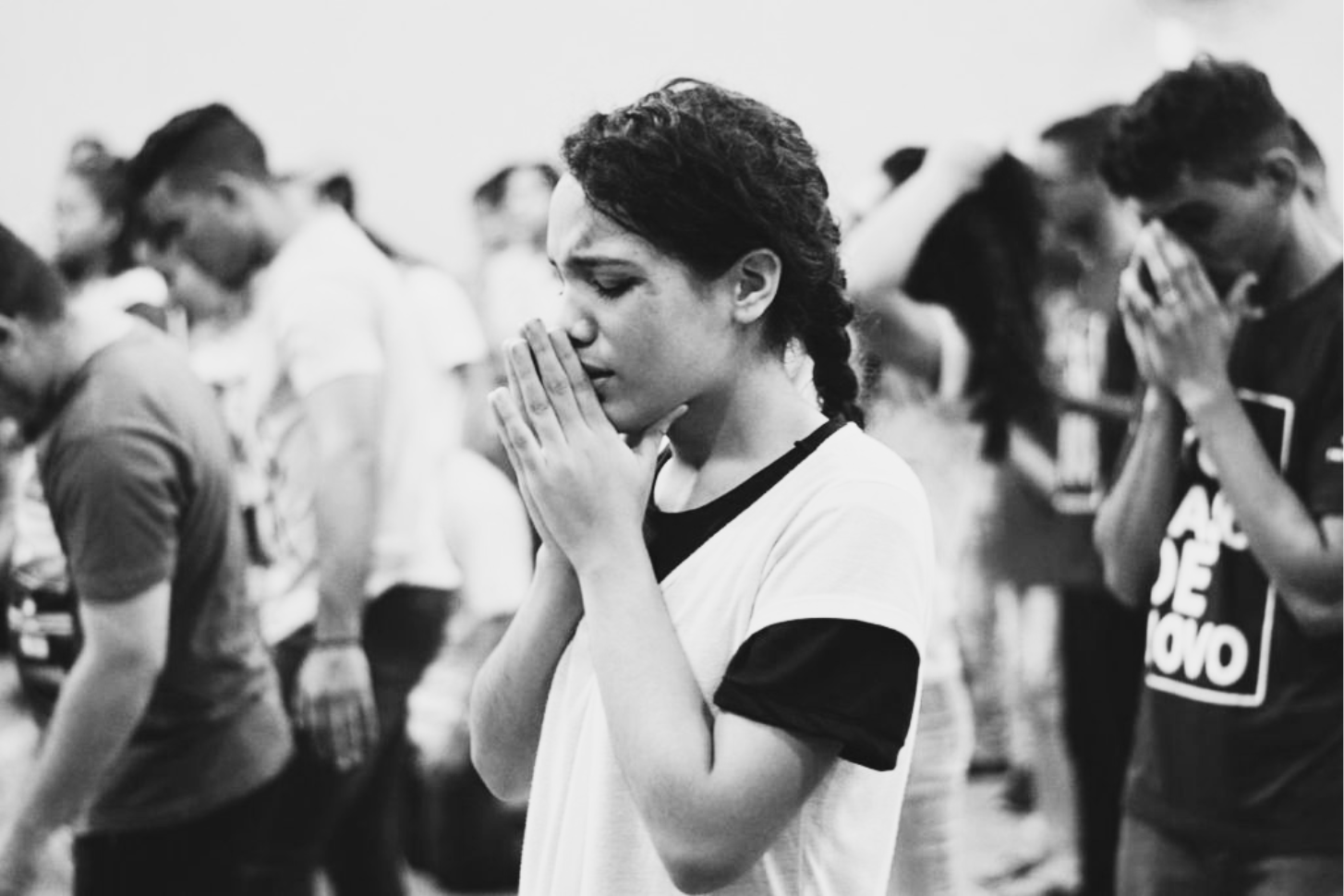
I have found immense comfort in the fact that David does not clean up his grief before bringing it to God. He does not pretend to understand what God is doing. He prays heartbroken, angry, and scared. He prays honestly.
I have prayed that way too.
But Psalm 13 does not end with the question. There is a pivot. David remembers something about God that is still true even when his circumstances have not changed: “But I have trusted in your steadfast love.”
That “but” has become increasingly meaningful to me.
Trusting God does not mean pretending that this does not hurt. It does not mean believing that uncertainty is easy or that we should quietly accept injustice. I have hope. But I do not want my hope to become a way of emotionally bypassing what is happening to my family or the thousands of other families facing the same uncertainty.
This is heart wrenching, “but” we have experienced God’s steadfast love.
And although we cannot imagine how right now, perhaps part of how God chooses to meet the needs of immigrant families like mine is through God’s people.
There are things my family cannot change on our own. There are decisions that belong to lawmakers and leaders. There are policies that will shape whether families like ours are forced to separate or whether they are given another path forward.
“But” the church has a voice.
So as I pray “How long, O Lord?” I am also praying for my brothers and sisters in Christ to use the voices God has given them. I am praying that we would not become numb to the uncertainty carried by our immigrant neighbors, friends, and fellow believers. I am praying for courage among those who can advocate for policies that allow families to remain together and communities to thrive.
And I am praying for my own family to trust God with what we cannot control. With the resources we do not have. With the future we cannot see or imagine right now.
We do not know what the coming weeks will hold. But we know the God who goes before us.
So, church, would you pray with us?
- Pray for my parents as they prepare to leave behind 26 years of life in the United States and return to El Salvador.
- Pray for peace, provision, and protection as they navigate the enormous practical, financial, and emotional challenges of relocating and rebuilding their lives.
- Pray for my family as we prepare to live separated from my parents and as my sister continues college without them nearby. She is especially heartbroken and scared.
- Pray for the thousands of other Salvadoran TPS holders and their families who are facing the same uncertainty.
- Pray for immigrants who are having to return to places that hold immense grief and memories of war and violence.
- Pray for lawmakers and other leaders to pursue solutions that protect families and allow immigrant communities to remain together.
- Pray for the church to give, speak, and act on behalf of their immigrant neighbors in this moment.
- And finally, pray that in the midst of all our “How long?” questions, we would be able to say with David, “But I have trusted in your steadfast love.”
Grace and Peace,
Andrea Castaneda-Lauver