

Praying for Haitians and Syrians in Legal Limbo
Dear Friends,
This week, the U.S. Supreme Court heard oral arguments on a case that will impact hundreds of thousands of individuals from Haiti and Syria who currently have Temporary Protected Status (TPS). Many of these Haitian neighbors have been lawfully present in the United States since at least 2010, when TPS was first designated in response to the devastating earthquake that hit their home country, while Syrians have been protected by TPS since 2012, in response to a civil war that has taken hundreds of thousands of lives.
The court will likely not rule for several weeks, and it can be difficult to predict an outcome based on questions in oral arguments, but it is quite possible that the court will allow the administration to proceed with their announced intention to terminate TPS. That would mean these Haitian and Syrian neighbors would lose their work authorization (and thus, presumably, their jobs) and be vulnerable to detention and deportation to countries that, in both cases, the U.S. State Department still says are extremely dangerous, to which U.S. citizens are warned sternly not to travel.
Given that many of these Haitians and Syrians have been lawfully present in the United States for well over a decade, many have had U.S. citizen children born in this country. Faced with the threat of deportation, many could face an excruciating decision. What would you do? Bring a U.S. citizen child with you into an extremely dangerous situation – presuming they could even obtain the travel documents necessary to do so – or would you split up your family, leaving your daughter or son behind in the U.S. with a relative, friend or even in the foster care system?
Even if the Supreme Court allows the administration to terminate TPS, however, Congress could step in. In fact, recently the House of Representatives passed a bipartisan bill that would require the Department of Homeland Security to extend TPS for Haitians. To become law, of course, that bill would need to pass the U.S. Senate and then be signed by the president (or Congress would need to override a presidential veto). Given current political dynamics, that’s probably unlikely – but, frankly, the bill passing the House was also unlikely. It happened because of a great deal of advocacy, including from Christians. We’d encourage you to advocate by reaching out to your U.S. Senators with this easy-to-use tool.
I’ve had the privilege of knowing several friends and colleagues from Haiti, a place where the church is vibrant and many rely upon Jesus day to day to overcome profound hardships. One former World Relief Haiti colleague, Joseph Bataille, told me, “The Haitian church really believes in prayer… like really believes in prayer… and really depends on God.”
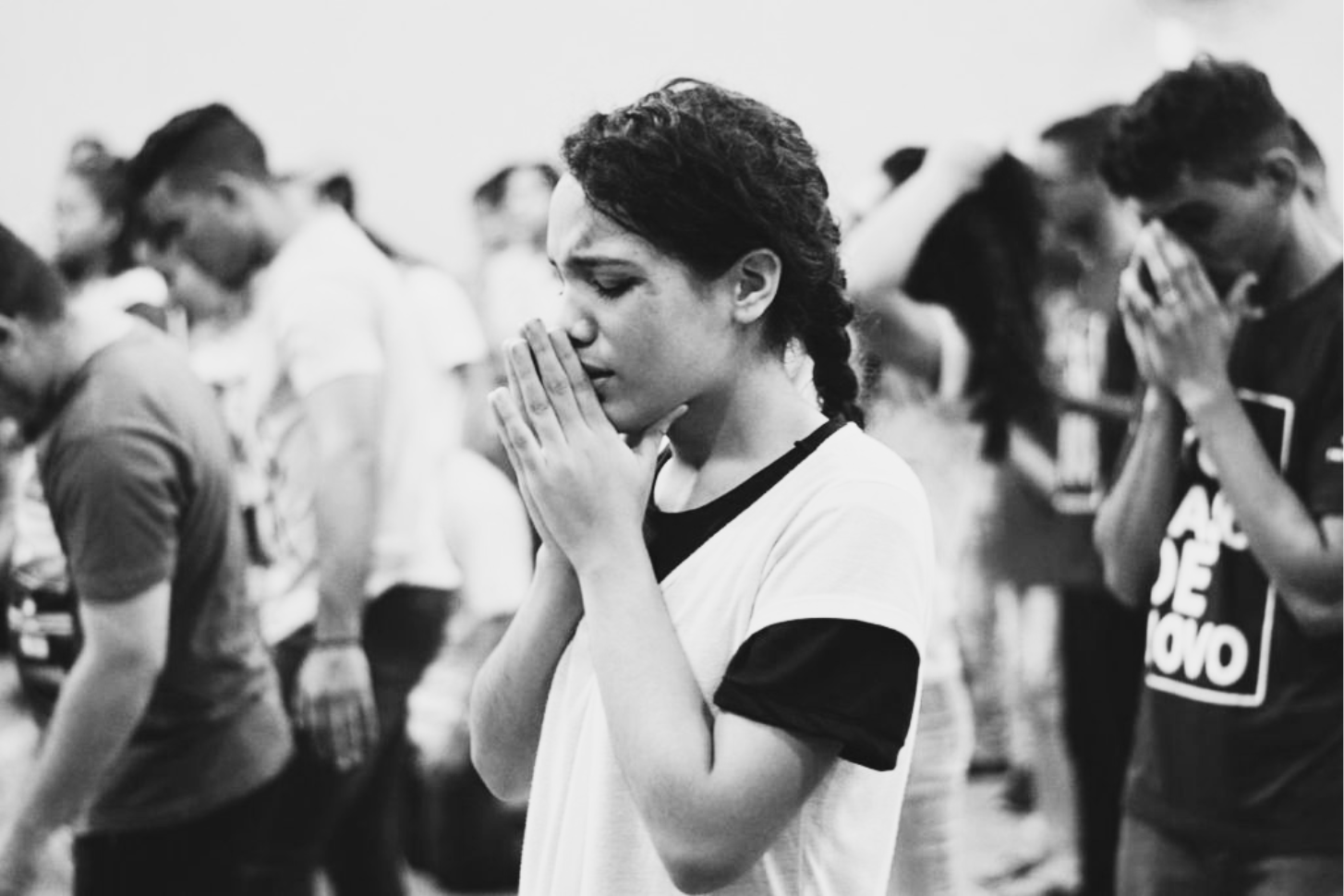
So even as we advocate and strategize, I’m personally challenged to take a cue from my Haitian brothers and sisters and cry out to God. Would you join me in prayer?:
- For each justice of the U.S. Supreme Court as they deliberate on the legal questions before them, that God would grant them wisdom and clarity
- For U.S. Senators considering legislation that would extend TPS for Haitians, that they would act with conviction rooted in a commitment to the common good
- For Syrians who fear being returned to a country that continues to be extremely unstable, for God’s provision and protection
- For Haitians who fear being returned to a country facing violence, extreme poverty and the ongoing impact of natural disasters
- For the church in the United States and beyond to stand with those who are vulnerable in this moment, faithfully living out the commands of Scripture and emulating Jesus
In Christ,
Matthew Soerens
National Coordinator, Evangelical Immigration Table